Formosa (Kaohsiung) Incident (1979)
On International Human Rights Day, 10 December 1979, dangwai opposition figures centred on Formosa magazine held a rally and march in Kaohsiung despite being refused a permit; it ended in serious clashes with police and troops, with nearly 200 injured. The authorities then arrested opposition figures across Taiwan and in March 1980 publicly tried eight, including Huang Hsin-chieh and Shih Ming-teh, before a military court, which in April sentenced Shih to life, Huang to fourteen years and six others to twelve years; more than 30 others were sentenced by civil courts. A US State Department human-rights official called the trials “a sham”; in 2022 Taiwan’s Transitional Justice Commission annulled all the convictions. A mainland Taiwan-affairs office calls it a political contest for which “both sides came prepared”, while Taiwanese scholars argue the public trial ended up strengthening the opposition.
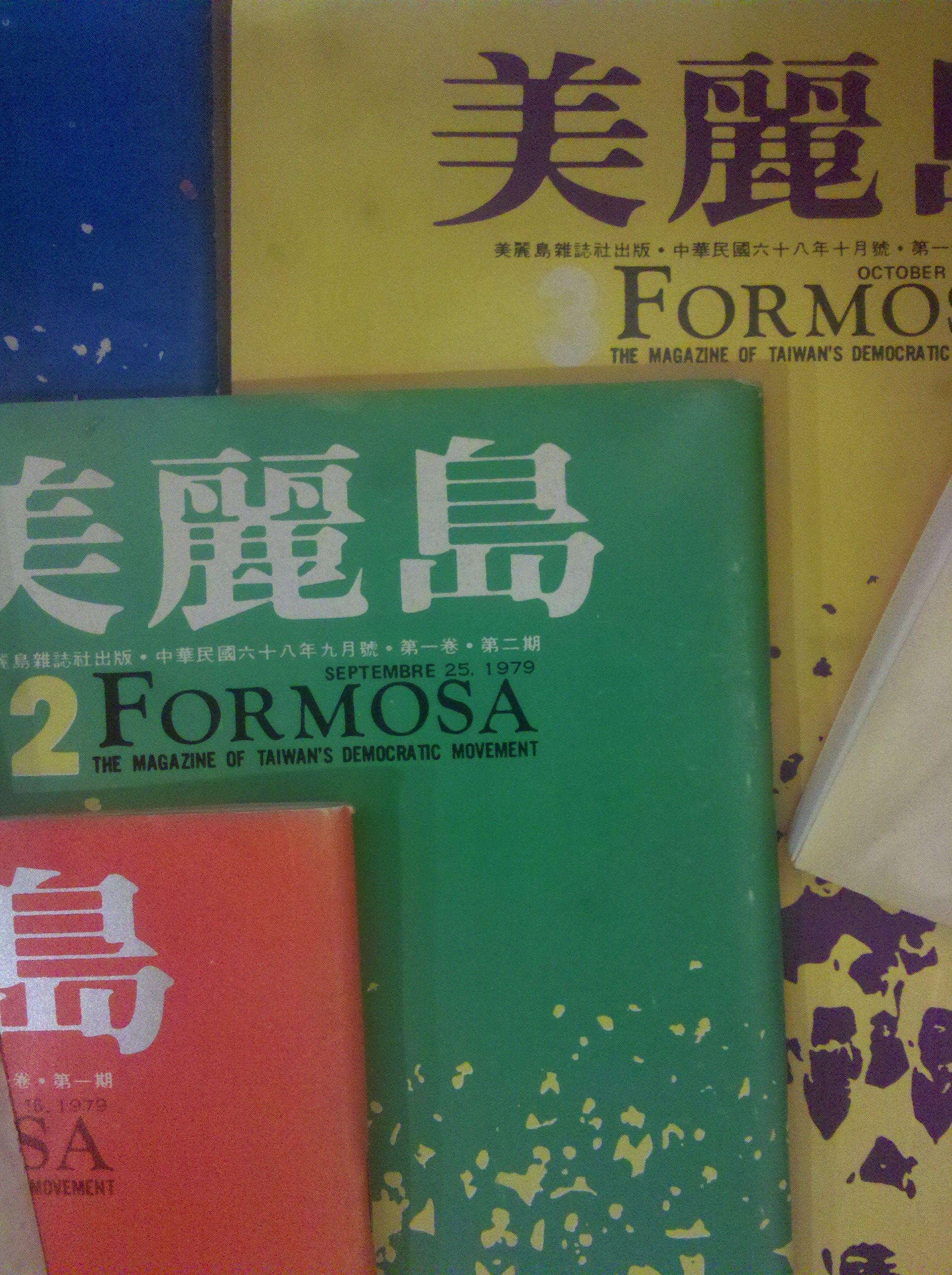
Background: The Break with Washington and Formosa Magazine
After the United States ended formal relations with Taiwan in January 1979, Chiang Ching-kuo postponed national representative elections indefinitely, depriving the dangwai (literally, outside the party) opposition of its main avenue. According to the Taiwan Affairs Office of the CCP Shenzhen Municipal Committee, the dangwai journal Formosa was launched in Taipei in September with Huang Hsin-chieh as publisher, Hsu Hsin-liang as president and Chang Chun-hung as editor-in-chief; it set up more than ten offices around the island and sold up to 80,000 copies. The Taiwanese historian Chen Chia-hung notes that much of the frustrated opposition gathered around the magazine, putting it in sharp confrontation with the Kuomintang authorities; Chen gives August as the launch month.
The Clash in Kaohsiung on 10 December
On 30 November 1979 Formosa and the Taiwan Human Rights Committee applied to hold a rally and march in Kaohsiung on International Human Rights Day, 10 December, and were refused; the organisers went ahead. According to the Shenzhen entry, Huang Hsin-chieh, Yao Chia-wen and others spoke that evening, after which several thousand people marched with sticks and torches; police used tear gas and the crowd fought back with sticks, torches and bottles, leaving nearly 200 injured. The entry also says the organisers had prepared “some wooden sticks against possible suppression”. The Central News Agency describes the rally as “forcibly suppressed by soldiers and police, leading to clashes.” An editorial note in the US State Department’s documentary series, citing The New York Times, says “police attempted to block a World Human Rights Day rally in Kaohsiung, Taiwan, prompting 10,000 protesters to attack unarmed security troops.”
Mass Arrests and the Military Trial
From three days later the authorities arrested dangwai figures across Taiwan—152 on “suspicion of sedition”, according to the Shenzhen entry; Shih Ming-teh, the march’s commander, went into hiding before being caught. From 18 March 1980 the Taiwan Garrison Command’s military court at the Jingmei detention centre in Taipei publicly tried eight defendants: Huang Hsin-chieh, Shih Ming-teh, Chang Chun-hung, Yao Chia-wen, Lin Yi-hsiung, Lin Hung-hsuan, Annette Lu and Chen Chu. Chen Chia-hung notes that it was the first political trial under martial law fully reported by domestic and foreign media, and that the prosecution alleged four kinds of sedition: “Taiwan independence”, “violent seizure of power”, “overseas conspiracy” and “links with the Communists”. Shih told the court that the bans on parties and newspapers, martial law and the never-re-elected legislature were the four great harms to Taiwan’s democratisation.
On 18 April the military court sentenced Shih to life imprisonment, Huang to fourteen years and the other six to twelve years each; another 33 were tried in ordinary courts, more than 30 of whom, according to the Shenzhen entry, received four to six years. A memorandum of 30 April 1980 by Assistant Secretary of State for Human Rights Patricia Derian stated: “The trials, while open, were a sham. Signed confessions were extracted through intimidation and torture.” The authorities, she wrote, had “effectively removed the most potent oppositionists from the political scene”; ten more people, including the leader of the Presbyterian Church in Taiwan, had been indicted on 29 April for trial by military court.
Rehabilitation and Competing Assessments
In May 2022 Taiwan’s Transitional Justice Commission annulled the convictions of Shih Ming-teh, Lin Yi-hsiung and Fan Cheng-yu, completing the annulment of every Formosa Incident conviction. Its reasons included Chiang Ching-kuo’s personal direction of the response, in violation of the separation of powers and judicial independence; alleged coercion of Shih and torture of Lin without examination of whether their confessions were voluntary; punishment of membership in the magazine and participation in the Human Rights Day rally, infringing freedom of assembly and association; and an expansive reading of Article 100 of the Criminal Code that treated contacts with independence activists, publishing and rallies as sedition.
Assessments differ. The Shenzhen Taiwan Affairs Office describes the incident as “an organised and prepared political contest” between the dangwai and the KMT in which “both sides came prepared” and the KMT turned events to its advantage, leaving the dangwai movement in a trough but the KMT also badly damaged. Chen Chia-hung concludes that the KMT’s public trial of the defendants “not only failed to curb the dangwai’s growth but backfired.” The Central News Agency calls it the incident “that later shaped Taiwan’s democratisation.”
Gallery
Narrative Comparison
| Source | Narrative |
|---|---|
| Taiwan Affairs Office of the CCP Shenzhen Municipal Committee, Taiwan Encyclopedia | The entry by a mainland Taiwan-affairs office presents the incident as “an organised and prepared political contest” with the KMT led directly by the dangwai: the dangwai sought to challenge the KMT and show their strength, while the KMT turned this to its advantage, “luring the snakes out of their holes”. It records that the organisers had prepared sticks, that marchers and police fought, nearly 200 were injured and 152 dangwai figures were arrested on “suspicion of sedition”; it judges that the dangwai movement fell into a trough while the KMT too was badly damaged and the conflict between them deepened. |
| Transitional Justice Commission annulment notice (2022, as reported by Taiwan News); Chen Chia-hung (National Taiwan Normal University, 2020) | Taiwan’s current official position is set out in the Transitional Justice Commission’s 2022 notice annulling all remaining convictions: Chiang Ching-kuo’s personal direction of the response violated the separation of powers and judicial independence; there were suspected coercion and torture during investigation, and the judges did not examine whether confessions were voluntary; and punishing publishing and participation in the Human Rights Day rally as sedition infringed freedom of assembly and association and violated the liberal democratic constitutional order. The historian Chen Chia-hung argues that the authorities used the public trial to suppress the dangwai with four charges—“Taiwan independence”, “violent seizure of power”, “overseas conspiracy” and “links with the Communists”—but that it backfired, as full media coverage spread the defendants’ political arguments widely. |
| Memorandum of Assistant Secretary of State for Human Rights Patricia Derian (30 April 1980) | The State Department’s senior human-rights official judged internally at the time that the Kaohsiung trials, “while open, were a sham. Signed confessions were extracted through intimidation and torture.” The trials, she wrote, had “serious implications for Taiwan’s internal stability”, and the authorities had “effectively removed the most potent oppositionists from the political scene”; she expected heightened concern from Congress and other groups. |
Key Milestones
- US–ROC relations end; elections postponed
The US ends formal relations with Taiwan and Chiang Ching-kuo postpones elections indefinitely.
- Formosa magazine launched
The dangwai journal Formosa, published by Huang Hsin-chieh, is launched in Taipei.
- Rally permit refused
Formosa and the Taiwan Human Rights Committee are refused permission for a Human Rights Day rally in Kaohsiung.
- Clash in Kaohsiung
The Human Rights Day march clashes with police and troops; nearly 200 are injured.
- Mass arrests begin
The authorities begin island-wide arrests of dangwai figures.
- Military trial opens
The Garrison Command court opens the public trial of eight defendants at Jingmei, with full media coverage.
- Military court verdicts
Shih Ming-teh is sentenced to life, Huang Hsin-chieh to fourteen years and six others to twelve years each.
- State Department human rights memorandum
Derian’s memorandum calls the trials “a sham”.
- All convictions annulled
The Transitional Justice Commission annuls the remaining convictions, clearing all Formosa Incident defendants.
Last verified:
Cite this page
Chronicles of Modern China. (2026, November 11). Formosa (Kaohsiung) Incident (1979). Retrieved November 11, 2026, from https://www.cmcarchive.org/events/formosa-incident-1979
“Formosa (Kaohsiung) Incident (1979).” Chronicles of Modern China. Last modified November 11, 2026. Accessed November 11, 2026. https://www.cmcarchive.org/events/formosa-incident-1979.
Chronicles of Modern China. Formosa (Kaohsiung) Incident (1979)[EB/OL]. (2026-11-11)[2026-11-11]. https://www.cmcarchive.org/events/formosa-incident-1979.