Fengxian Chained Woman Case (2022)
In January 2022 a video showing a mother of eight chained by the neck in a hut in Huankou town, Fengxian county, Xuzhou, Jiangsu, caused a national outcry. The county first said she was legally married and that “there was no trafficking”; Xuzhou then twice revised its account and confirmed she was Xiaohuamei, trafficked from Fugong county, Yunnan, in 1998. On 23 February a Jiangsu provincial team described how she had been sold several times, found that her husband had long abused her, and disciplined 17 officials, removing the county Party secretary. The case prompted extensive online discussion and offline action; some who went to show support were detained and much related content was deleted. In April 2023 the Xuzhou court sentenced her husband, Dong Zhimin, to nine years for maltreatment and unlawful detention and five traffickers to 8–13 years; buying a trafficked woman went unpunished because the limitation period had expired.
The Video and the First Statements
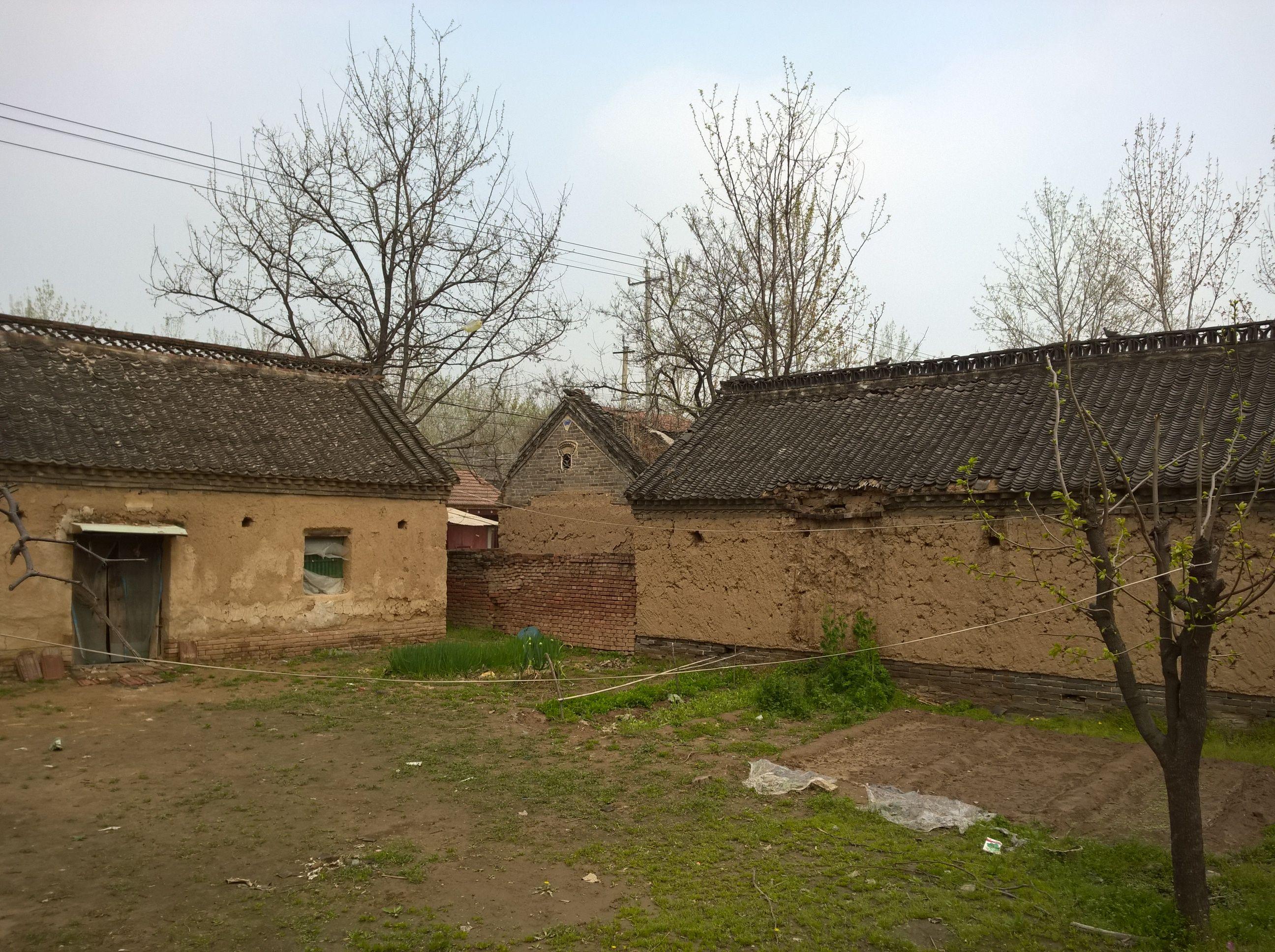
On 27 January 2022 a video filmed in Dongji village, Huankou town, Fengxian county, Xuzhou, Jiangsu, spread on social media. It showed a woman in thin clothing chained by the neck in a dilapidated hut; her husband, Dong Moumin (named as Dong Zhimin in the later court verdict), had eight children with her. On 28 January the county propaganda department said the woman, Yang Mouxia, had registered her marriage with Dong in August 1998, that “there was no trafficking”, that family and neighbours said she often beat children and the elderly, and that she had been diagnosed with a mental illness. A Huankou town official told the media that the video was “hype by the person who filmed it, to grab attention; normally it isn’t like this”.
A second statement on 30 January said instead that Yang had been taken in by Dong’s father in June 1998 while wandering and begging near the border with Shandong’s Yutai county, and that no trafficking had been found; it said that since June 2021 her illness had worsened and Dong had “temporarily” chained her to stop her hurting others, conduct suspected to be illegal and under police investigation. It added that the family had received welfare, health insurance and a housing subsidy over the years.
The Question of Identity and Four Statements
A third statement from the Xuzhou investigation team on 7 February said that, based on a reference to Yagu village, Fugong county, Yunnan, in the marriage documents, Yang’s original name was Xiaohuamei; a woman surnamed Sang from the same village said Xiaohuamei’s mother had asked her to take her to Jiangsu for treatment and that she had got lost in Donghai county. A fourth statement on 10 February said DNA tests confirmed Yang was Xiaohuamei and that Dong was suspected of unlawful detention and Sang and her husband Shi of trafficking women; all three were under criminal compulsory measures. On 17 February Jiangsu province announced its own investigation team.
The Provincial Investigation’s Findings
The Jiangsu team reported on 23 February. Having interviewed more than 4,600 people, it confirmed through repeated DNA tests that Yang was Xiaohuamei, born in 1977 and from Fugong county, Yunnan, who had married in Baoshan in 1995 and returned to Yagu after a divorce in 1997, already showing abnormal speech and behaviour. It found that in early 1998 Sang took her to Donghai county, Jiangsu, on the pretext of finding her a husband and medical treatment, and sold her for 5,000 yuan to a farmer named Xu; after she went missing she was taken in by a restaurant-owning couple in Xiayi county, Henan, sold to two men from Fengxian, and resold through an intermediary to Dong’s father. In 2000 town civil affairs staff irregularly registered the marriage on the basis of information supplied by Dong, entering the date as 2 August 1998.
The report found that Yang had schizophrenia and that her missing teeth were due to severe chronic periodontitis, with no evidence of injury; DNA tests showed all eight children were hers and Dong’s—one born in 1999 and seven between 2011 and 2020; and since 2017 Dong had tied her with cloth and rope and chained her by the neck during episodes of illness without seeking treatment. On 22 February prosecutors approved Dong’s arrest for maltreatment and the arrest of Sang and Shi for trafficking women.
Seventeen Party members and officials were disciplined: Fengxian Party secretary Lou Hai was removed from his posts for, among other things, approving the release of an inaccurate statement; county head Zheng Chunwei was ordered to resign; the county propaganda chief was dismissed; and the Huankou town Party secretary and town head were placed in detention for investigation. The report said the case exposed failures in grassroots organisation, protection of women and children and assistance to vulnerable groups, and announced a province-wide campaign against trafficking and buying of women and children.
Public Outrage and Civic Action
The case drew sustained attention online. The researchers Mengyang Zhao and a co-author observe that the county’s first statements framed the abuse as a domestic dispute, which “sparked even greater nationwide outrage”, and that the government issued five statements within a month. Netizens, they write, did more than vent on social media: they published accounts of rural trafficking and the abduction of minority women, formed research groups, staged performance art, distributed leaflets offline and drove to Fengxian, while related posts and actions were swiftly deleted. Two feminists who brought flowers to Xuzhou in support of Xiaohuamei, the authors report, faced “detention, violence, and sexual harassment by undercover police”.
The Trial
On 7 April 2023 the Xuzhou Intermediate People’s Court sentenced Dong Zhimin to nine years in total for maltreatment and unlawful detention, and Shi Lizhong, Sang Heniu, Tan Aiqing, Huo Yongqu and Huo Fude to between eight and 13 years for trafficking women. The court found that from July 2017 Xiaohuamei had lived without water, electricity or sunlight and often went hungry and cold, and that she had schizophrenia (deteriorated stage) and a grade-two mental disability. All seven people involved in trafficking her in 1998 were beyond the limitation period; with the Supreme People’s Procuratorate’s approval, five with major roles were prosecuted.
An editorial in The Paper noted that Dong’s sentences were close to the maximum for the relevant offences, but that he and the first buyer, Xu, escaped prosecution for buying a trafficked woman because the limitation period had expired; it argued that this should prompt improvements to the principle of punishing buyers and sellers equally and higher sentencing standards.
Gallery
Narrative Comparison
| Source | Narrative |
|---|---|
| Report of the Jiangsu provincial investigation team (23 February 2022) | The Jiangsu team found that Xiaohuamei was trafficked in 1998 and resold several times before reaching Fengxian, and that Dong had abused her—including tying her up and chaining her by the neck—since 2017; the initial claim that there had been no trafficking was deemed inaccurate, and 17 officials, including the county Party secretary and county head, were disciplined. Officials characterised the case as exposing shortcomings in grassroots organisation, protection of women and children and help for vulnerable groups, and bureaucratism among some officials, and launched a province-wide campaign against trafficking and buying women and children. |
| Mengyang Zhao and anosartor, International Journal of Communication (2024) | Communication researchers treat the case as an instance of digital activism. They argue that the county’s initial framing of the abuse as a domestic dispute “sparked even greater nationwide outrage”, and that under public pressure the government issued five statements within a month; netizens went well beyond posting online—writing accounts, forming research groups, staging performance art, distributing leaflets and travelling to Fengxian—while the government deleted content as it appeared, making dissemination “politically risky”. Feminists who went to Xuzhou in support faced detention and violence. |
| Feminist activist Lü Pin (Made in China Journal, 2023) | Writing as a participant in the feminist movement, Lü Pin says the “chained woman” was trafficked, forced into marriage, imprisoned and subjected to forced childbirth, and that many experienced “a moment of ‘moral shock’ in cross-class empathy”, realising “that there is no social contract between our country and women”. The anger that followed, she argues, “did not lead to the rescue of the chained woman; it only resulted in the government taking over her confinement”; many who tried to act faced harassment and threats, and the police response targeted ordinary feminists on an unprecedented scale, with widespread pre-emptive suppression. |
Key Milestones
- Xiaohuamei trafficked to Jiangsu
Taken to Donghai county and sold early in the year; resold to the Dong family in Fengxian in June.
- Video circulates
A video of a woman chained by the neck in Dongji village, Fengxian, spreads online.
- First Fengxian statement
Says the woman is legally married, “there was no trafficking”, and she is mentally ill.
- Second statement
Says she was taken in while begging in 1998; Dong’s chaining is suspected to be illegal.
- Third statement: Xiaohuamei
Xuzhou says the woman’s original name is Xiaohuamei, from Yagu village, Fugong, Yunnan.
- Fourth statement: criminal cases
DNA confirms identity; Dong, Sang and Shi are placed under criminal measures.
- Provincial investigation team
Jiangsu sets up a provincial investigation team.
- Provincial report
The report details the trafficking chain and disciplines 17 officials, including the county Party secretary.
- Verdict
Dong Zhimin is sentenced to nine years and five traffickers to 8–13 years.
Last verified:
Cite this page
Chronicles of Modern China. (2026, November 16). Fengxian Chained Woman Case (2022). Retrieved November 16, 2026, from https://www.cmcarchive.org/events/fengxian-chained-woman-2022
“Fengxian Chained Woman Case (2022).” Chronicles of Modern China. Last modified November 16, 2026. Accessed November 16, 2026. https://www.cmcarchive.org/events/fengxian-chained-woman-2022.
Chronicles of Modern China. Fengxian Chained Woman Case (2022)[EB/OL]. (2026-11-16)[2026-11-16]. https://www.cmcarchive.org/events/fengxian-chained-woman-2022.